As part of Grevy’s Zebra Trust’s rangelands program, a new beekeeping initiative is taking shape across northern Kenya, weaving together community livelihoods, landscape restoration, and a ready-made market for the honey produced.
Developed in partnership with Naropil Honey Company, the initiative distributed beehives to Grassland Champions groups at sites throughout the rangelands program area. The philosophy behind it is straightforward: beekeeping is naturally complementary to the vegetation in these landscapes, and the presence of bees actively benefits the surrounding habitat through pollination. The initiative is not simply an income-generating project set alongside conservation work but is part of it. As the habitat benefits from the bees, the Grevy’s zebra benefit from the healthy landscape.
A guaranteed market for honey also gives the initiative a strong commercial foundation. Naropil Honey Company, which supplies the hives, also commits to buying back the raw honey directly from the community groups. Processing and packaging are handled on Naropil’s side, meaning the Grassland Champions can focus on tending the hives and harvesting, without the added complexity of taking a product to market themselves.
The income generated will be managed in the same spirit as proceeds from grass seed sales. Like those funds, the revenue returns to the community and has previously supported things like children’s schooling. Beekeeping adds a further strand to this model of community-led economic empowerment, building on the existing work of Grassland Champions groups and their commitment to the health of the landscapes they steward.
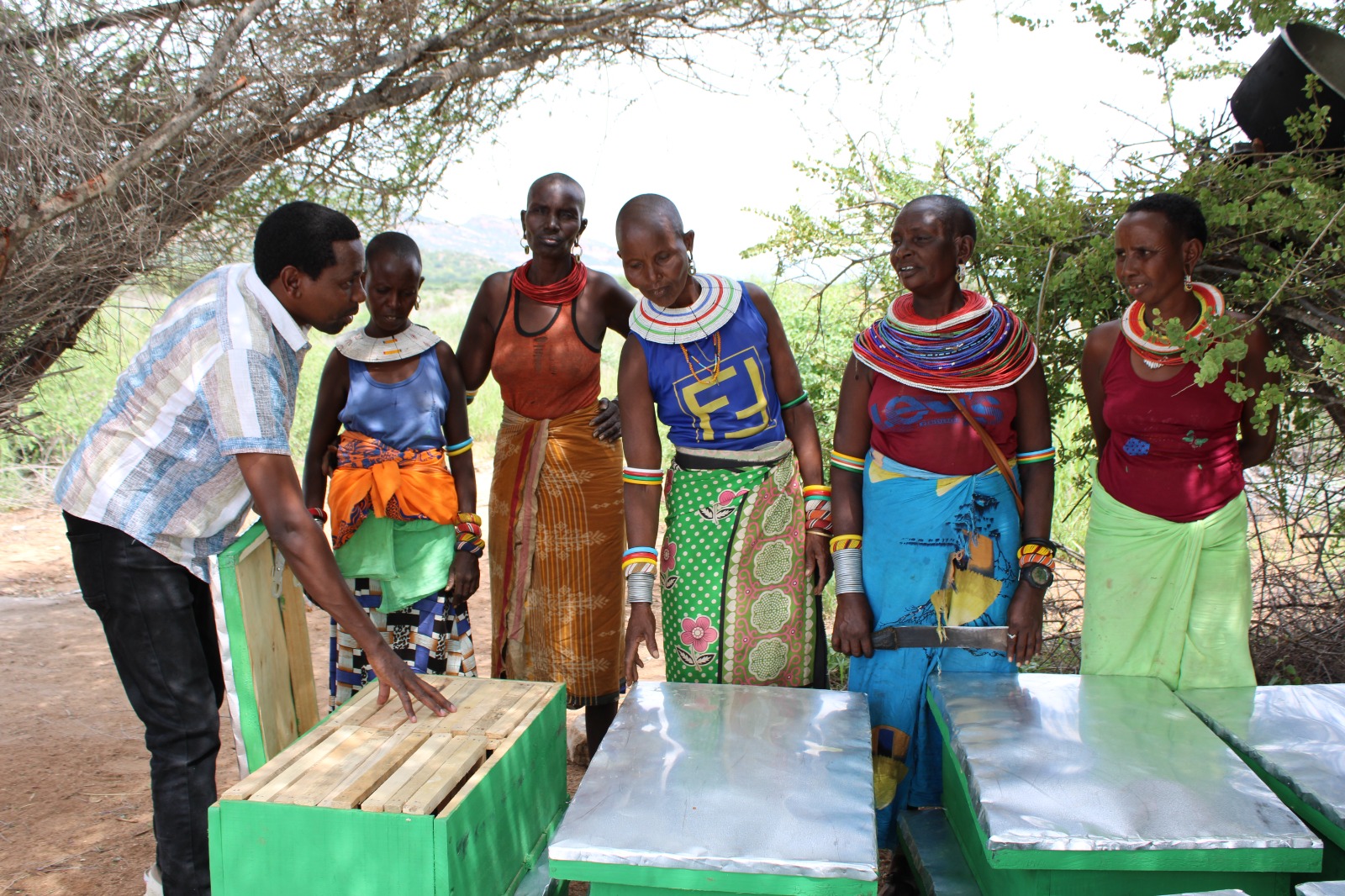
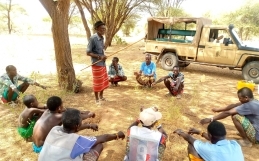
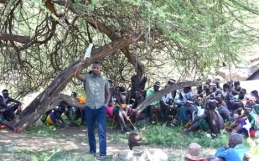
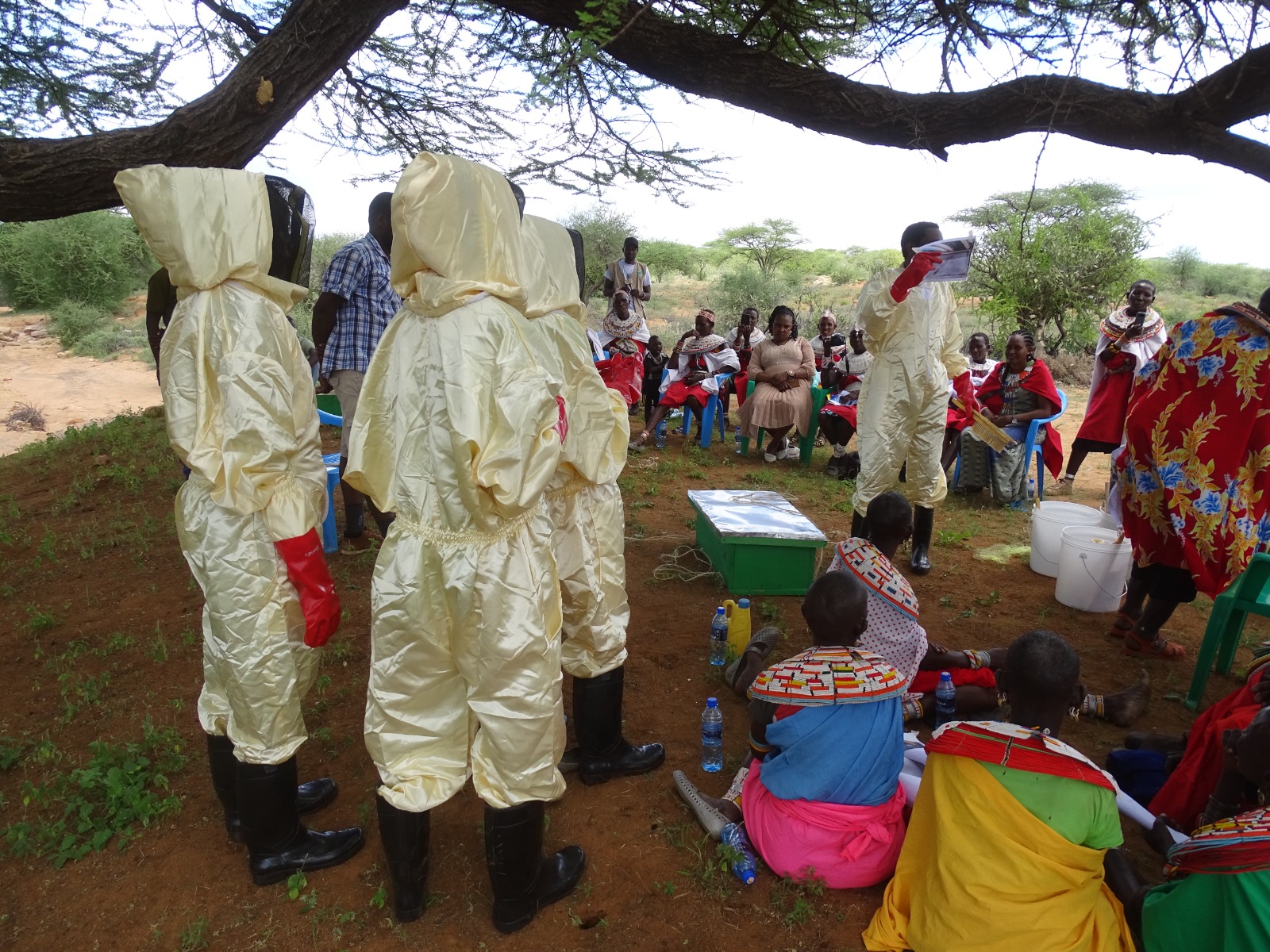
Training has been delivered at restoration sites across the program area, bringing together women’s Grassland Champions groups, community elders, and local team members. The response from communities has been encouraging. In one instance, local youth contributed additional beehives of their own to support the women’s groups, reflecting the shared sense of ownership in the initiative.
With hives distributed and training underway, the next phases will focus on monitoring, harvesting, and working towards compliance and certification standards, laying the groundwork for a sustainable, community-driven honey enterprise rooted in the landscapes of northern Kenya. Encouragingly, the beehives have already been mounted, vegetation at the sites has started regenerating, and some hives already have bees.