For generations, when land grew dry and barren, the automatic assumption was that there simply were too many animals eating too much grass.
Holistic land and livestock management (HLLM) means challenging these traditional assumptions. Overgrazing isn’t simply caused by overstocking; rather, it stems from how frequently plants are exposed to grazing without adequate time to recover. When livestock remain in one area continuously, plants are constantly nipped before their roots can regenerate, leaving behind degraded, bare soil.
Turning Herds into Ecological Tools
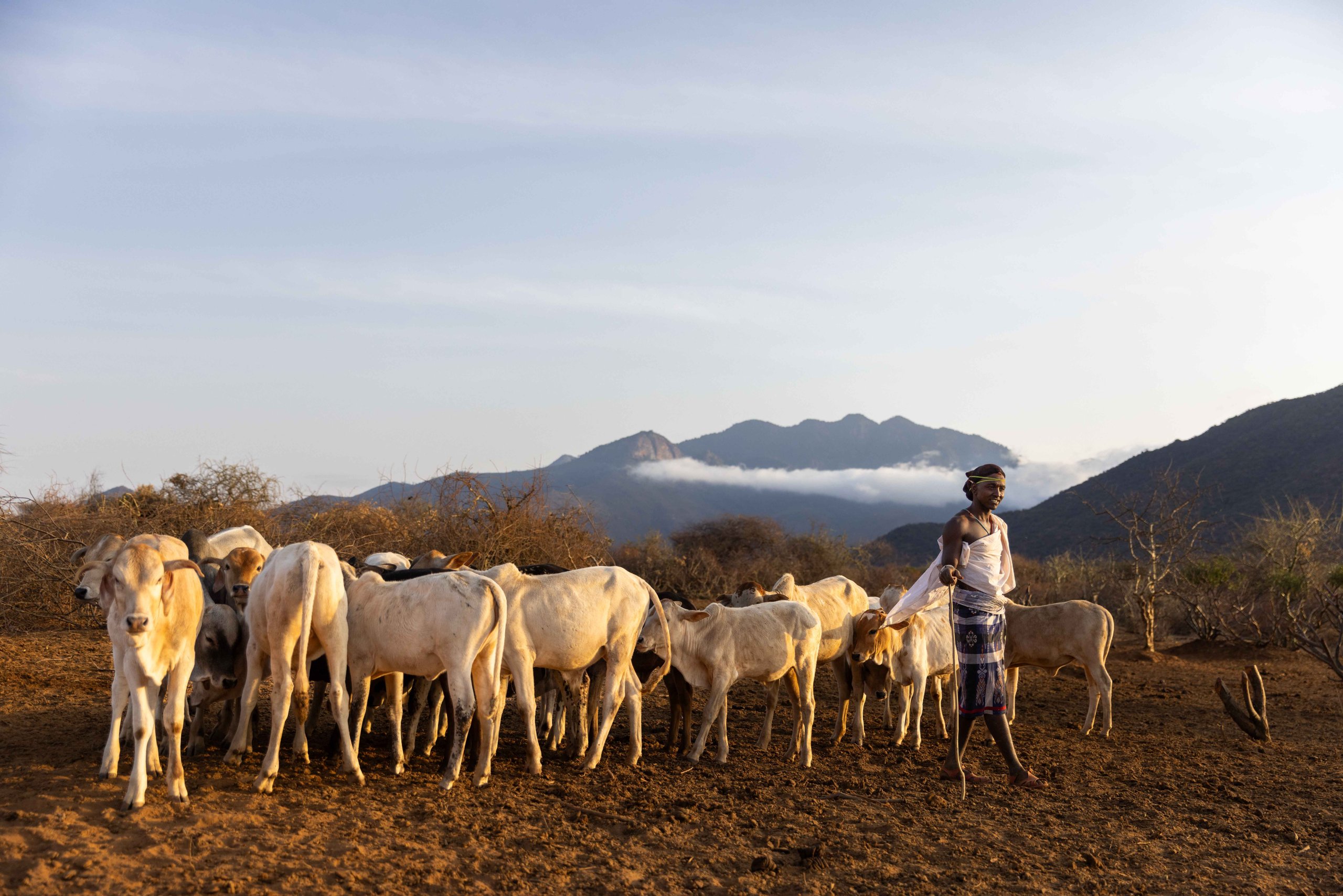
Instead of viewing livestock as a threat to landscapes, the Grevy’s Zebra Trust rangelands team is working with community conservancies to utilize planned and intentional grazing as a powerful restorative tool.
How does this work? When herds move in tight, managed groups, their hooves break up hard-crusted soil, allowing rainwater to penetrate. Their manure and urine naturally fertilize the ground, helping native grasses return. By shifting livestock strategically across defined pastures, grass gets the vital recovery time it needs to grow back thick and resilient.
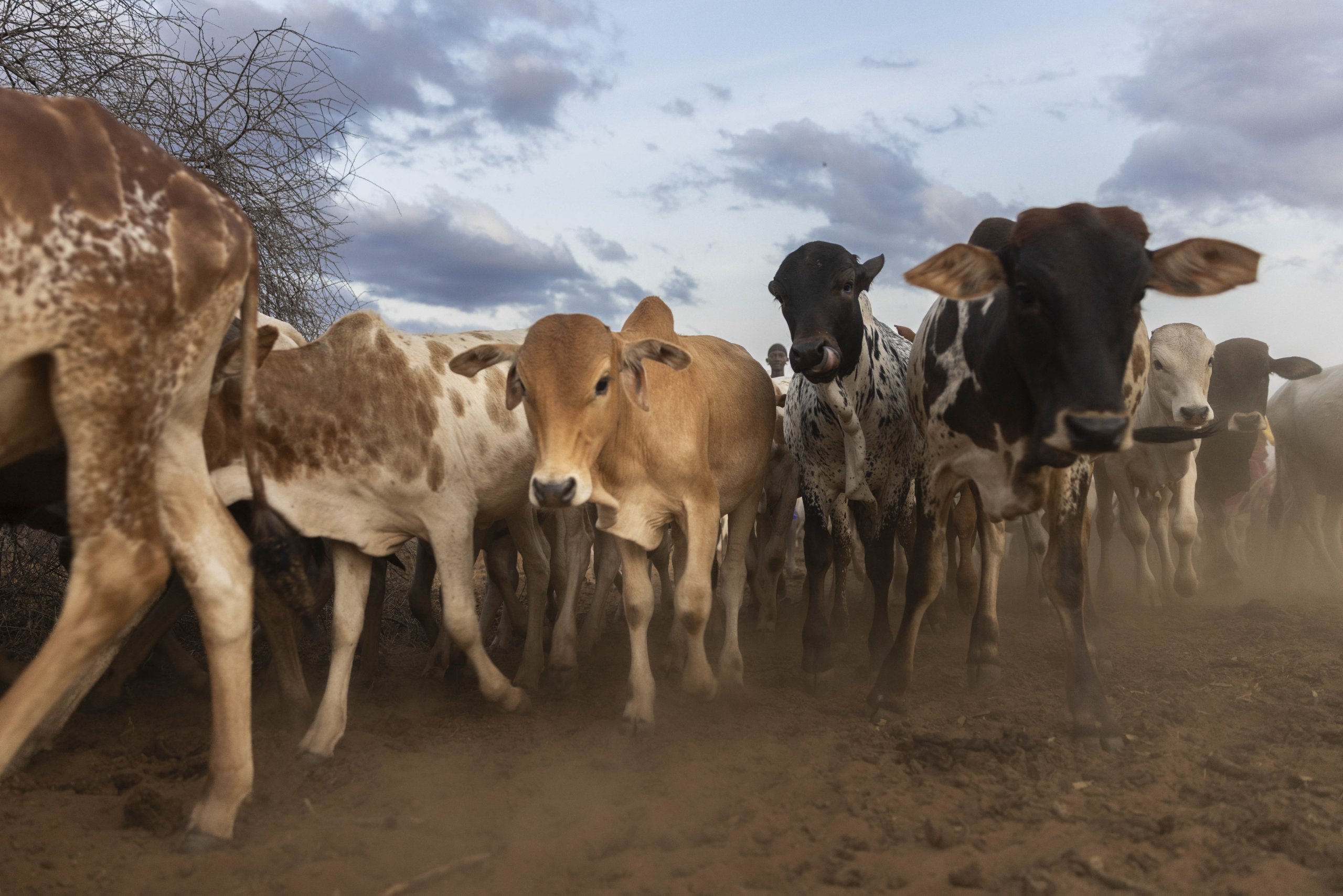
(c) Natalia Mroz
A Shared Vision Across the Community
Implementing regenerative grazing requires more than just a grazing map, it takes a unified community vision. The GZT rangelands team collaborates with conservancies that bring together grazing committees, community elders, women, and youth to design long-term land management goals.
When every part of the community shares a unified goal, grazing transitions from a haphazard daily chore into a deliberate effort to restore balance to the ecosystem. Guided by well-planned grazing schedules and supportive communities, bare patches of ground are transforming into thriving grasslands that benefit domestic herds, the endangered Grevy’s zebra, and other native wildlife alike.
Check out the clip below to hear directly from the field about how holistic management is bringing these landscapes back to life.