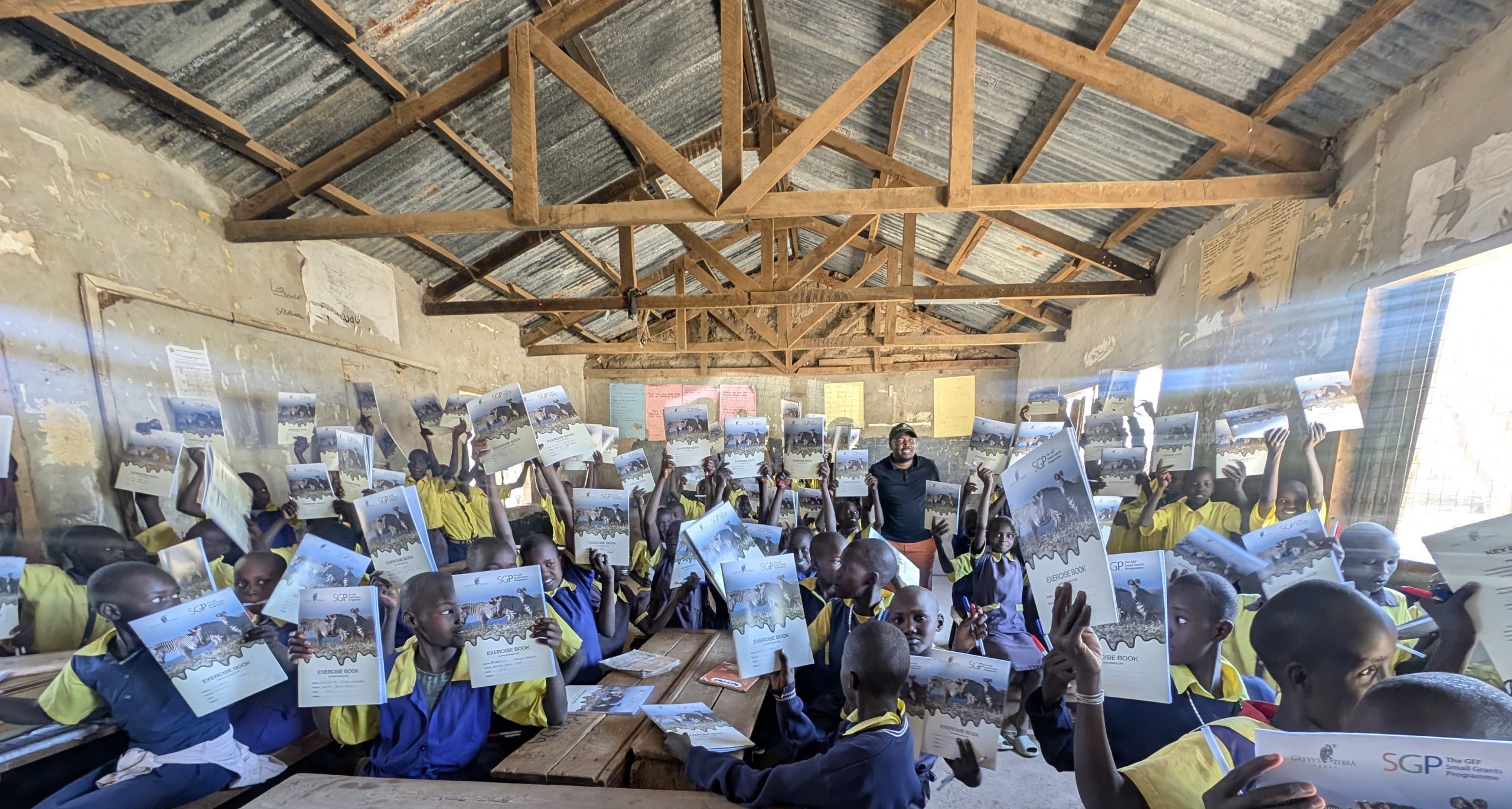
What happens when a classroom becomes a space for conservation conversations? In northern Kenya, school outreach visits are helping young people discover the wildlife that shares their landscape and the role they can play in protecting it.
What do students know about the Grevy’s zebra? Can they recognise it? Do they know where it lives, how many remain in the wild or why protecting it matters? These were some of the questions we set out to explore during our school outreach visits in Isiolo in early September.
For us at Grevy’s Zebra Trust (GZT), conservation goes beyond protecting a species. It also means working with the communities that share its landscape and creating opportunities for people to participate in its protection. Schools provide an important space for these conversations, allowing us to engage with young people about the wildlife around them and emphasising the importance of conserving it.
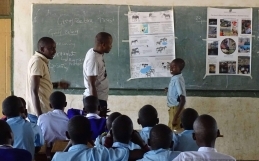
During the outreach, our team visited five schools, focusing on two key areas: raising awareness about Grevy’s zebra conservation and engaging schoolgirls on menstrual health and hygiene.
Before each session, we invited students to complete a questionnaire to help us understand what they already knew about Grevy’s zebra. The responses gave us an interesting starting point. Most students could identify the species, and many were familiar with GZT. However, fewer knew how many Grevy’s zebra remain in the wild, their conservation status or where they are found.
We also found that some teachers, particularly those who had recently transferred to the schools, had limited knowledge of the species. These findings helped us shape our sessions around the areas where more information was needed. We discussed the status of Grevy’s zebra, their habitat, the threats they face and why their conservation matters.
We also wanted to help them understand the wider conservation landscape. The survival of Grevy’s zebra is closely connected to the health of the rangelands they inhabit and the communities that depend on these landscapes. Access to water, availability of grazing areas and competition for natural resources all influence the relationship between people, livestock and wildlife.
Helping students understand these connections is an important part of conservation education. It allows them to see that protecting Grevy’s zebra also means caring for the landscapes they depend on and finding ways for people and wildlife to coexist.
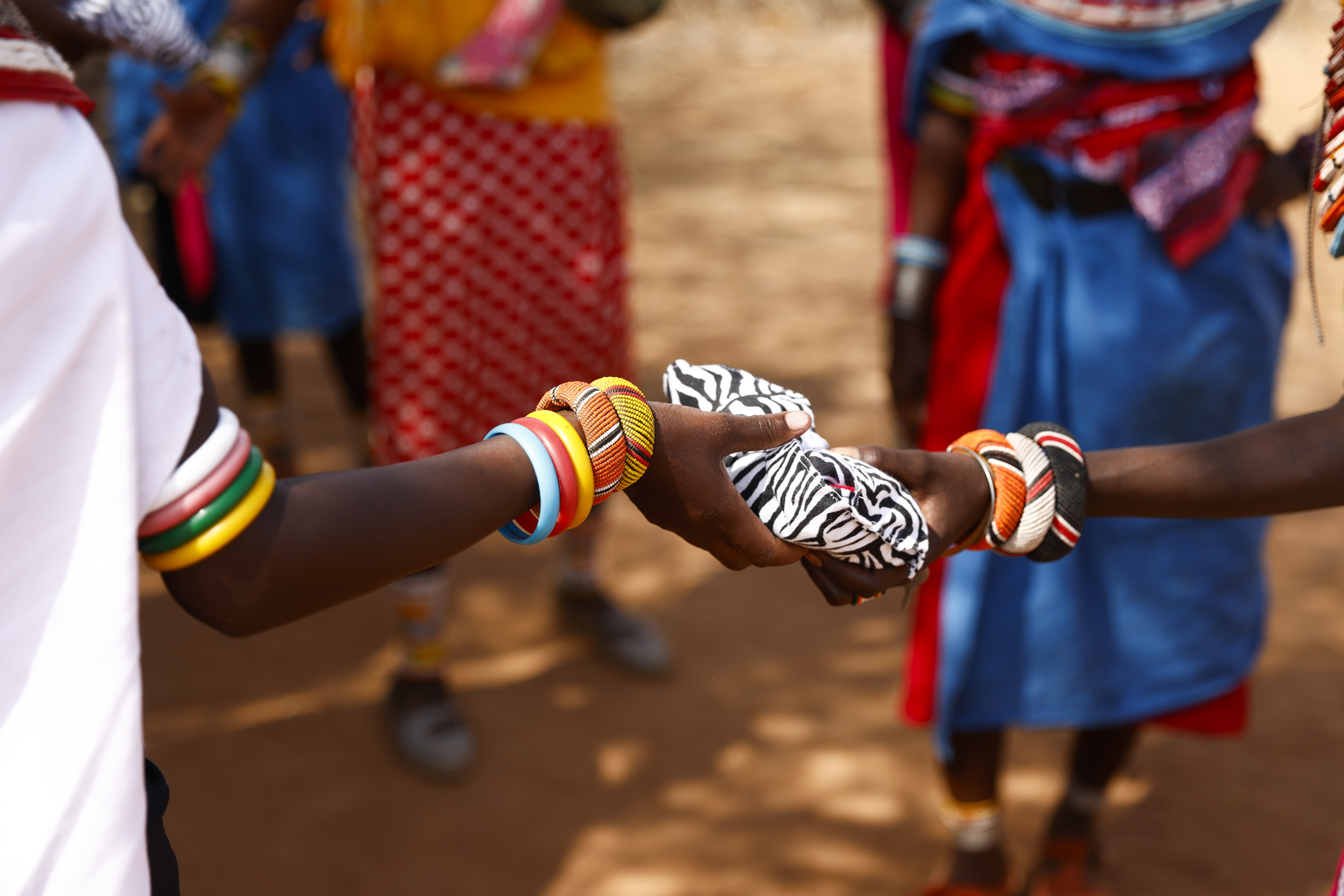
Alongside the conservation sessions, we held separate discussions with schoolgirls on menstrual health and hygiene. These conversations were accompanied by the distribution of dignity packs, providing practical support to the girls who participated.
© Natalia Mroz
Across the five schools in Isiolo, we reached 487 students, comprising 103 boys and 384 girls, and distributed 420 dignity packs. Students and teachers also received school supplies branded with Grevy’s zebra, giving them useful learning materials and a reminder of the species at the centre of our conservation work.
Our school outreach activities form part of a wider effort to strengthen awareness and understanding of Grevy’s zebra conservation among communities in northern Kenya. By engaging with schools, we create opportunities for conservation knowledge to be shared beyond the classroom, reaching families and the wider community through the students and teachers we meet.
The students we engage today are part of the communities that will shape the future of these landscapes. Creating opportunities for them to learn about Grevy’s zebra is one way we can help build a lasting appreciation for the wildlife and natural heritage around them.