Thank you to Mollie Matthews, who provided this blog for us after her time in Kenya. She is a final-year Anthropology and English Literature student at Durham University. She is also a passionate conservationist looking to go into environmental management and conservation coordination.
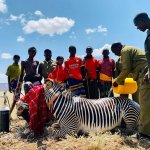
When thinking of the sole organisation in the world which works to protect the endangered species of Grevy’s Zebra (Equus grevyi), I could not have imagined how far flung and diverse their efforts would be. It may be the only organisation with the goal to protect Grevy’s zebra, but its scope extends so much further than the protection of zebras. It took only one week at the Grevy’s Zebra Trust (GZT) field camp in the Samburu bush, to experience this realisation and become utterly blown away by the passion of the community and GZT staff in their efforts to conserve not only the Grevy’s Zebra, but the environment and sustainability of life.
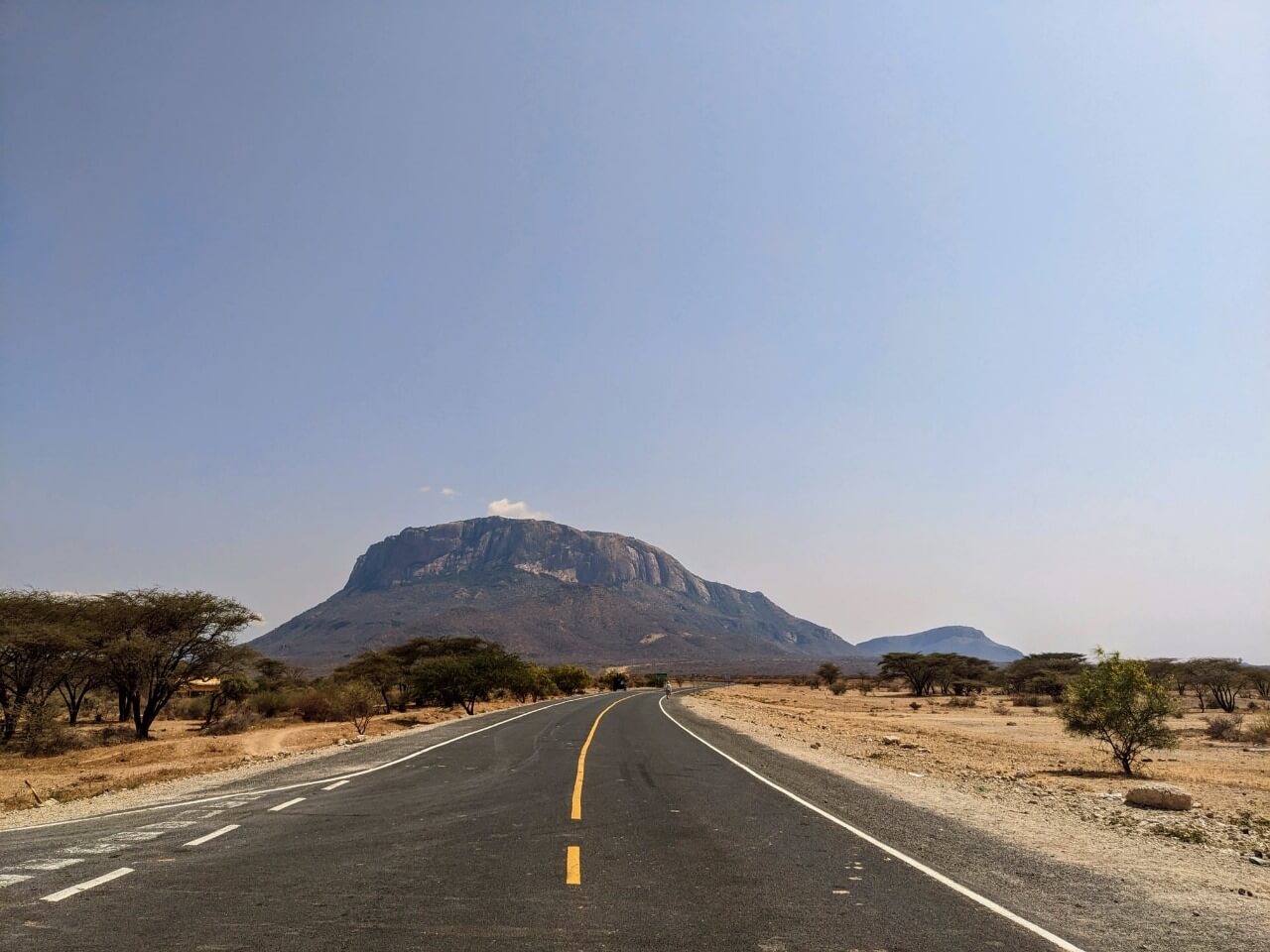 In the dry Northern grasslands of Kenya, tucked away next to a lugga in Westgate Community Conservancy, is the humble base camp from which the many GZT staff members live and work from. The teamwork and unity over a common goal permeates the camp, and it extends into the community where the real magic happens. It is undeniably clear that the communities have become strongly committed to the protection and enhancement of their community land. The community conservancies may contain wildlife and have a mission to conserve the nature that resides and moves through them, however I found that their mission seemed to literally and metaphorically pervade beyond the boundaries of wildlife conservation. The conservancies and their communities are dedicated to and motivated by the conservation of the environment. In my opinion, there is no better motivation. A healthy environment will not only benefit the community, their livestock and their lifestyles – but it will benefit the wildlife that relies on it for pasture and water. Creating harmony in this way allows for an equilibrium to be reestablished between the requirements of the communities and the requirements of the ecosystems.
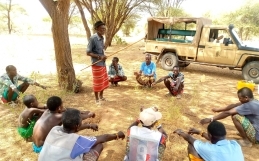
The collaboration between the community and GZT means that community knowledge and traditions are respected and upheld, alongside aid and education on sustainable land management for the most effective and efficient use patterns. The methods that the community are implicating include grazing block rotations, short term boma rotations for degraded land restoration, the creation of buffer zones and dedicated settlement areas, and water run off reduction. These projects are driven and delivered by the community which creates a vast amount of community authority and ownership over such solutions. Alongside GZT’s support, communities in Northern Kenya have begun to witness the benefits of regenerative grazing and healthy rangelands techniques; this has ultimately resulted in species recovery and livestock quality improvement. Through GZT’s partnership with communities, solutions to threats on humans and animals are being combatted with programmes centred on local values, interests and actions: an aspect which stood out to me in the pasture and rangeland management systems.
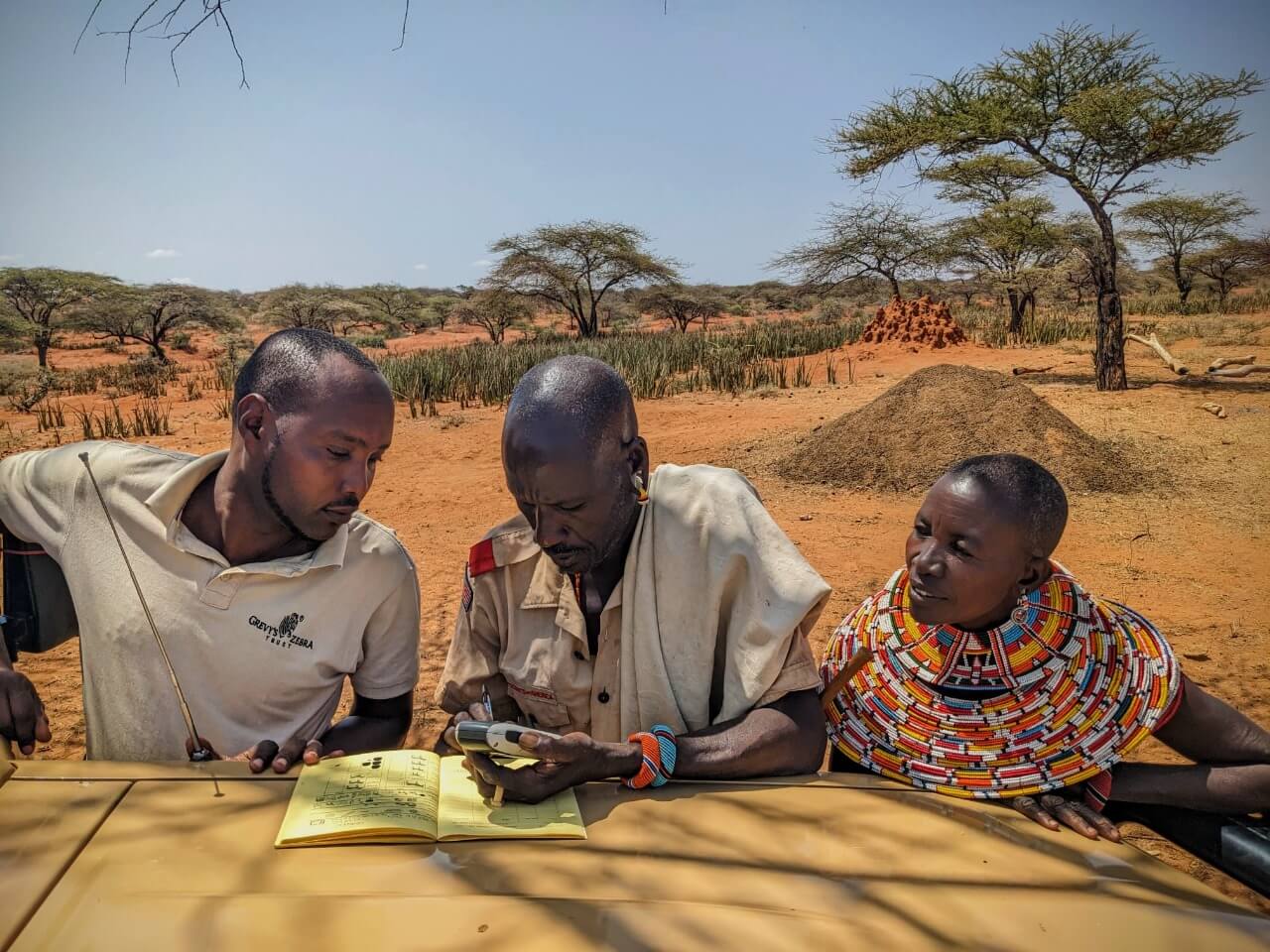
 It is clear simply from just looking at the ground that grazing and livestock has a significant impact on ecosystems. An observation that was made during our week in Samburu County was how such a large area, with such a low population density, has such a degraded habitat. Yet, this is not necessarily caused by the number of people and their livestock, instead by the way in which the livestock is grazed – when moved in competition with each other, it leads to mass eco-destruction. This competitive grazing has arisen as nomadic cultures have become sedentary and permanently settled due to the development and benefits of residing near to infrastructure. An alternative approach to competitive grazing, which communities are moving towards, is collaborative grazing through ‘zonal bunching’. This approach is proving to be successful, as family cattle herds are combined into one community herd – some reaching up to 632 heads of cattle. This new method of grazing patterns and block rotations gives the ground adequate time to recover and regenerate. Thus becoming a healthier and more resilient ecosystem; a key factor to the long term quality of the environment, particularly with the increasing challenges that climate change presents. A holistic and collaborative approach to habitat, livestock and wildlife conservation and regeneration is holistic not only in the ways in which it impacts livelihoods, but also with regard to the inclusive involvement of community members. Meetings, discussions, education and monitoring is not exclusive or prejudiced based on education or literacy levels. The accessible citizen science which GZT enables results in an increase of authority and community presence for members who traditionally may not have had such a presence or voice.
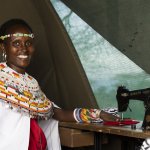
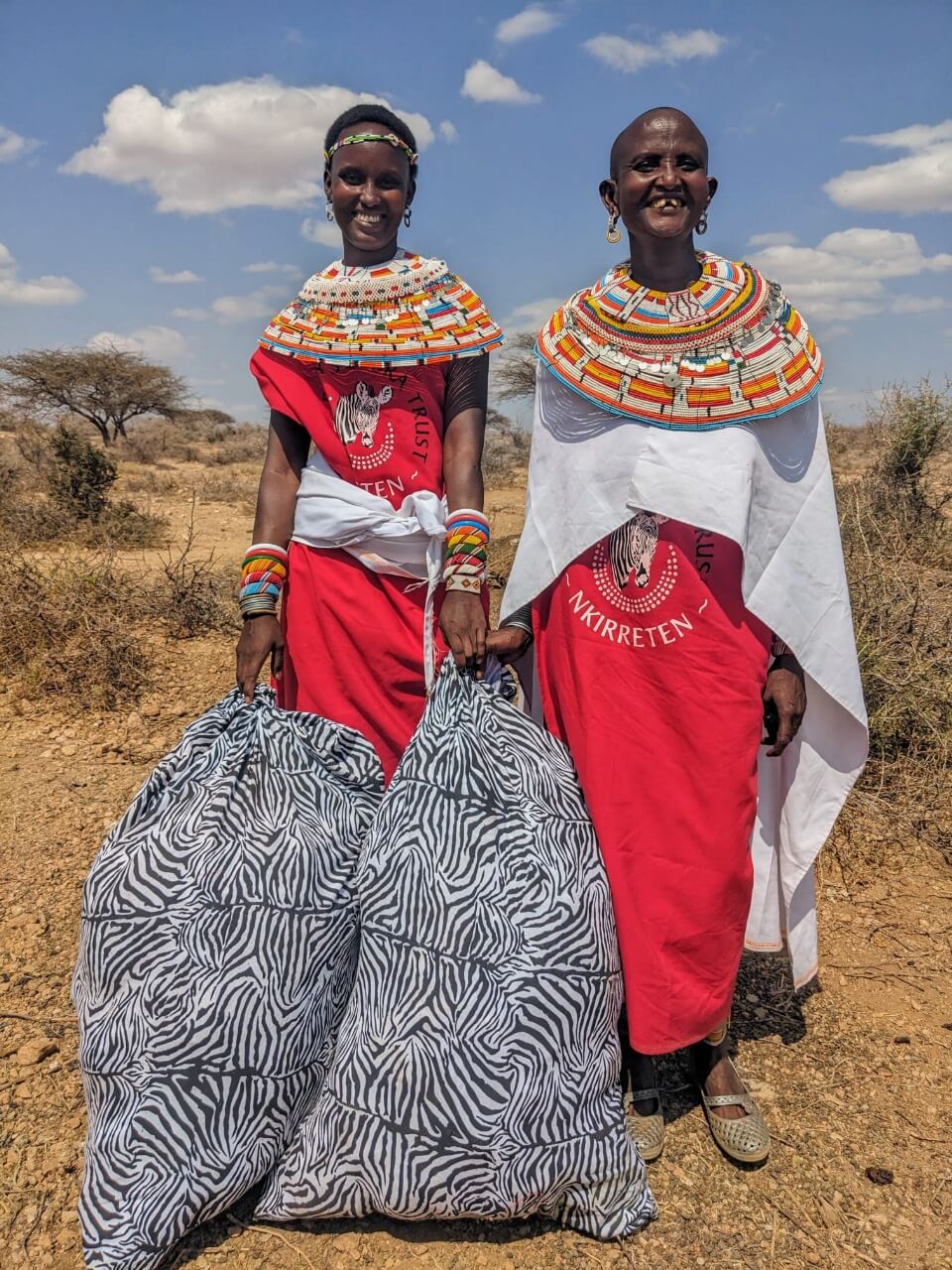
An example of this can be seen with ‘Nkirreten’ – a sanitary pad project run and managed by female community members – most of whom are single mothers, uneducated or previously unemployed. It is a project which not only enables women to work and enhances their rights and autonomy, but also stands as a symbol of hope, unity and empowerment for the women within their community. The project has led to the initiation of community women’s meetings where discussions of traditionally unspoken topics such as female hygiene, family planning, gender-based violence, female education and much more, have begun. The result of this is an increase in autonomy and respect for women – an understanding of their presence within communities. The women who I met no longer have to suffer in silence – they have a safe space for discussion and support – they now have choice.
‘Nkirreten’ is tied to conservation and the Grevy’s Zebra Trust through the zebra design of the pads themselves, and the conversations about conservation that arise in meetings and community outreach. Sintiwan, a member of the Nkirreten team, and the other women in the community love and care about the Grevy’s zebra, as well as conservation as a whole. This is due to the fact that it has provided them with a voice, responsibility and community respect. The women call themselves “the mothers of the Grevy’s” and when asked where this identity comes from, they responded, “there is that love and attachment to Grevy’s” – they feel that they are all connected. They all share the same home.
The same home. The same environment. The same dependency on the survival of their environment which stands as their home. A sharp reflection of the keystone to the rangeland management and conservation movements that I witnessed – the lives of the people and the wildlife are inextricably linked. The need and potential for a symbiotic relationship is desperate. Yet the uplifting and blatant links between community and conservation are strong and effective. Through the creation of community conversations about conservation, there is a permeating hope for harmonious coexistence and the preservation of traditions alongside adaptations.